In 2026, the cosmetics industry is facing significant regulatory changes both in the European Union and in international markets. Product safety, chemical substance restrictions, packaging sustainability, environmental marketing claims and labelling requirements are among the main issues that cosmetics manufacturers and importers need to monitor closely.
In particular, new scientific safety opinions published in the European Union, draft amendments to the Cosmetics Regulation and new obligations under packaging legislation require a reassessment of processes ranging from product formulation to placing products on the market.
At Chemleg, we have compiled the key international developments in cosmetics regulation in 2026 and their potential impacts on the industry.
2026 at a glance
1. European Union: New Safety Assessments of Cosmetic Ingredients
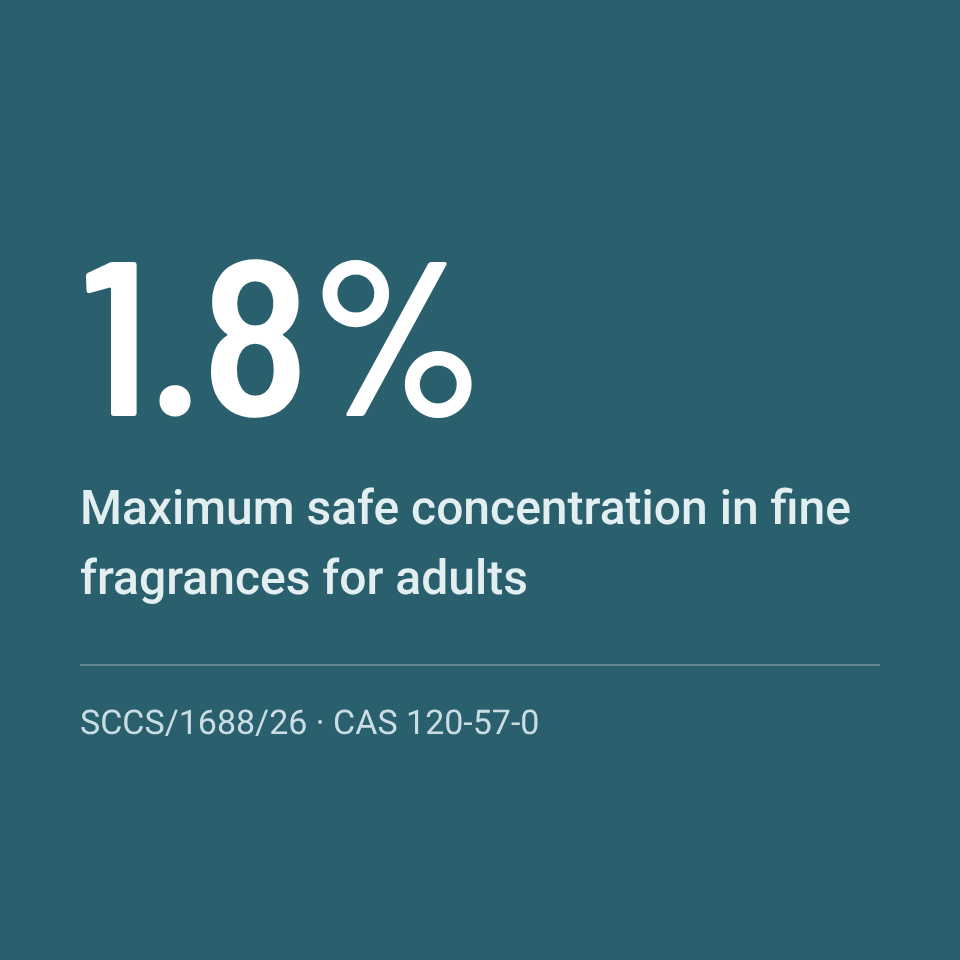
Heliotropin: Considered Safe by the SCCS at Concentrations of up to 1.8% in Fine Fragrances Intended for Adults
The European Commission’s Scientific Committee on Consumer Safety (SCCS) published its final scientific opinion on the use of Heliotropin (CAS No. 120-57-0) in cosmetic products on 15 October 2026.
In its opinion SCCS/1688/26, the SCCS concluded that Heliotropin is safe at concentrations of up to 1.8% in fine fragrance products intended for adults.This assessment was conducted taking into account safety concerns regarding the substance’s potential CMR classification and reproductive toxicity.
What does this mean for the cosmetics industry?
- The concentrations of Heliotropin in fragrance formulations should be checked.
- Technical documentation relating to raw materials and fragrance compositions should be updated.
- It should be noted that the 1.8% concentration limit is not a general use limit applicable to all cosmetic product categories.
- It should be remembered that the SCCS opinion does not, in itself, constitute an amendment that has entered into force in the relevant Annexes to the Cosmetics Regulation.
It is particularly important to take this scientific opinion into account in safety assessments of fragrances and cosmetic products containing Heliotropin.
Reference: SCCS/1688/26 – European Commission, 15 October 2026.
Acetophenone: Assessment of 100 ppm in Natural Complex Substances
The SCCS published its final scientific opinion SCCS/1689/26 on Acetophenone (CAS No. 98-86-2) in October 2026.
The assessment focuses specifically on the presence of Acetophenone in cosmetic products as a constituent of Natural Complex Substances (NCS).
The SCCS stated that Acetophenone introduced into cosmetic products through botanical extracts, essential oils and similar natural complex substances may be considered safe when its concentration in the finished cosmetic product does not exceed 100 ppm (0.01%).

Important limitation: no general safety approval has been granted for the natural complex substances themselves. The assessment relates exclusively to Acetophenone present as a constituent of these substances.
Our recommendations for the industry:
- Obtain up-to-date technical specifications from suppliers of botanical extracts and essential oils.
- Review fragrance compositions and natural complex raw materials for Acetophenone content.
- Where necessary, verify the concentration using analytical data.
- Take relevant exposure sources and aggregate exposure assessment into account when preparing Cosmetic Product Safety Reports (CPSRs).
This development is particularly relevant for companies developing cosmetic products containing natural ingredients.
Reference: SCCS/1689/26 – European Commission, October 2026.
2. New Substance Restrictions under the Cosmetics Regulation: Draft Amendments in 2026
In 2026, the European Commission notified new draft regulations proposing amendments to the Annexes to Cosmetics Regulation (EC) No 1223/2009 through the World Trade Organization (WTO) Technical Barriers to Trade notification system.
Under notification G/TBT/N/EU/1219, dated 8 July 2026, the prohibition of certain CMR substances and revisions to the conditions of use of specific cosmetic ingredients were proposed.
The key substances covered by the draft include:
| Substance / substance group | Proposed regulatory measure |
|---|---|
| Benzophenone-1 | Prohibition of use |
| Benzophenone-2 | Prohibition of use |
| Basic Brown 16 | Prohibition of use |
| Basic Blue 99 | Prohibition of use |
| Prostaglandin analogues | Prohibition of use |
| Butylated Hydroxyanisole (BHA) | Revision of conditions of use |
| Butylparaben | Revision of conditions of use |
| Cannabidiol (CBD) | Revision of conditions of use |
| Hydroxyapatite (nano) | Revision of conditions of use |
| Mercury-containing preservatives | Removal of existing exemptions |
An important reason for this draft regulation is to reflect the new CMR classifications established under Commission Regulation (EU) 2025/1222 in the Cosmetics Regulation. The application date of the relevant CLP Regulation has been set as 1 February 2027.
Assessment for the industry:
Manufacturers and importers of products containing these substances should review their existing formulations and raw material portfolios. However, the draft provisions should not yet be regarded as definitive prohibitions or use limits that have entered into force.
Separate Draft Regulation on Silver
A separate notification, G/TBT/N/EU/1227, was published on 30 July 2026. This draft aims to revise the conditions governing the use of silver in cosmetic products in accordance with scientific opinion SCCS/1687/25.
In particular, the draft provides for an assessment of the different physical forms of silver, its applications and its potential effects on human health. Manufacturers of cosmetic products containing silver are advised to monitor this regulatory process.
Important: G/TBT notifications and draft texts do not have the same legal status as final legislative amendments. Companies should plan formulation changes on the basis of finalised regulations.
3. PPWR: A New Implementation Period for Cosmetic Packaging
The European Union’s new Regulation on packaging and packaging waste, Regulation (EU) 2025/40 (Packaging and Packaging Waste Regulation, PPWR), became applicable on 12 August 2026.
The new Regulation aims to reduce the environmental impacts of packaging throughout its life cycle, increase recyclability and reduce packaging waste.
The following issues are particularly relevant to the cosmetics industry:
Recyclability criteria for packaging
Recyclability criteria for packaging
Reduction of unnecessary packaging and packaging volume
Reduction of unnecessary packaging and packaging volume
Responsibilities of packaging manufacturers and relevant economic operators.
Plastic bottles, jars, tubes, caps, outer boxes and multi-component packaging systems used for cosmetic products should be assessed against the new requirements.
What should companies do?
Cosmetics manufacturers and businesses placing products on the EU market should review technical documentation and compliance procedures with their packaging suppliers. Packaging material composition, weight, recyclability and relevant conformity documents should be assessed on a product-by-product basis.
The PPWR makes packaging compliance an important aspect of product regulatory compliance, independently of cosmetic formulations.
4. EmpCo Directive: Environmental Claims and Greenwashing in Cosmetic Products
Directive (EU) 2024/825 aims to ensure that consumers are better informed during the green transition and to prevent misleading environmental marketing practices.
27 March 2026
Transposition deadline
27 September 2026
Provisions Applicable
The Directive has significant implications for the cosmetics industry, particularly regarding the use of environmental benefit and sustainability claims.
Examples of claims that may appear on product packaging and in marketing materials include:
- Eco-friendly
- Environmentally friendly
- Green
- Sustainable
- Biodegradable
- Carbon neutral
- Climate neutral
- Recyclable
The use of such claims should be assessed in accordance with the relevant evidence and regulatory requirements. In particular, the use of generic environmental claims without sufficient and relevant supporting evidence may create a risk of misleading commercial practices.
Example: The fact that a product’s packaging is recyclable does not automatically justify a general claim that the entire product is environmentally friendly.
Recommendations for cosmetics companies:
- Review environmental claims appearing on product labels.
- Prepare substantiation files for sustainability and environmental benefit claims.
- Assess the environmental characteristics of packaging and the product separately.
- Ensure collaboration between marketing, packaging design and regulatory affairs teams.
- Verify the validity of certifications and environmental labels.
Although EmpCo is not a regulation specific to cosmetic products, it is a horizontal consumer protection measure that directly affects marketing and labelling practices in the cosmetics industry.
5. Other Key Developments in International Markets
Significant changes are also taking place in markets outside the European Union regarding the labelling, safety and conditions for placing cosmetic products on the market.
Canada: Expanded Fragrance Allergen Labelling Requirements
Canada is expanding the list of allergens that must be declared in cosmetic products, in line with the European Union’s approach to expanded fragrance allergen labelling.
According to the new implementation schedule:
12 April 2026
The declaration requirement for the first 24 allergens applies to both new and existing products.
1 August 2026
The expanded list applies to new cosmetic products.
1 August 2028
The expanded list will also apply to existing products.
Thresholds above which allergens must be declared on product labels:
Above 0.001%
Leave-on products
Above 0.01%
Rinse-off products
Companies exporting to Canada need to review their product formulations and labels in accordance with the new implementation schedule.
United States: MoCRA and Final Guidance on Mandatory Cosmetic Recalls
On 22 October 2026, the FDA published its final guidance on mandatory cosmetic recall authority under the Modernization of Cosmetics Regulation Act of 2022 (MoCRA).
The guidance explains the circumstances under which the FDA may order a mandatory recall, how the recall process is conducted and the responsibilities of businesses regarding recall decisions.
This development once again highlights the importance of product safety, traceability, complaint management and recall procedures in the cosmetics industry.
Australia: New Import and Manufacturing Requirements for Cosmetic Products Containing Retinal
In Australia, new assessment requirements for consumer products containing Retinal (Retinaldehyde, CAS No. 116-31-4) became applicable on 27 June 2026.
From this date, the importation and manufacture of Retinal for cosmetic purposes can no longer be carried out under the exempted or low-risk introduction categories of the Australian Industrial Chemicals Introduction Scheme (AICIS).
Importers and manufacturers must obtain the relevant AICIS assessment certificate before placing the product on the market.
This requirement does not automatically apply to Retinol (CAS No. 68-26-8) or retinol esters listed on the inventory.
Import procedures for serums, creams and similar products containing Retinal intended for the Australian market should therefore be reassessed.
China: GB 7916-2026 Cosmetics Safety Standard
In China, the new standard GB 7916-2026, Cosmetics: General Safety Requirements, was published on 30 July 2026 and is scheduled to enter into force on 1 January 2028.
The new standard will update the regulatory framework governing the general safety requirements for cosmetic products and replace the existing GB 7916-1987 standard.
It is important for companies exporting to the Chinese market to review their product safety documentation and technical compliance procedures before the new standard enters into force.
6. Regulatory Monitoring and Compliance Checks for Cosmetics Companies in 2026
The regulations and scientific opinions published in 2026 once again demonstrate that cosmetic product compliance is not limited to formulation checks and product notification.
To ensure that products are placed on the market in compliance with the requirements of their target markets, the following aspects need to be assessed together.
Formulation and Raw Material Control
- Review prohibited and restricted substances in accordance with current legislation.
- Monitor CMR classifications.
- Incorporate new SCCS opinions into Cosmetic Product Safety Report (CPSR) assessments.
- Update raw material specifications and analytical data.
Product Safety and Technical Documentation
- Keep Cosmetic Product Safety Reports (CPSRs) and Product Information Files (PIFs) up to date.
- Review safety assessments in light of new scientific data.
- Verify supplier documentation and formulation information.
Labelling and Marketing Compliance
- Check fragrance allergens against the requirements of the target market.
- Substantiate environmental and sustainability claims with supporting evidence.
- Update product labels in accordance with the legislation of the target market.
Packaging Compliance
- Assess obligations under the PPWR.
- Obtain technical documentation from packaging suppliers.
- Review recyclability requirements and packaging design criteria.
Conclusion: Regulatory Monitoring Is an Integral Part of Product Compliance
The year 2026 has been a significant period for the cosmetics industry, requiring product safety, chemical substance management, sustainability and international trade requirements to be addressed together.
New scientific opinions, published regulations and legislative amendments under preparation require manufacturers, importers and responsible persons to regularly review their existing product portfolios.
It is particularly important for companies placing products on the EU market to adopt a proactive approach to regulatory compliance by monitoring not only legislation currently in force but also scientific assessments and forthcoming regulatory changes.
Contact Us and Let Us Review Your Cosmetic Portfolio Together
At Chemleg, we continue to monitor the latest developments in the cosmetics industry and support companies in their regulatory compliance processes, covering cosmetics legislation, product safety assessments, CPSRs, PIFs, labelling compliance and regulatory requirements for international markets.
References
The following sources are primary or authoritative official sources for the developments discussed in this article.
European Union: SCCS and Cosmetics Legislation
- European Commission – SCCS Opinion on Heliotropin, SCCS/1688/26 (15 October 2026):
https://health.ec.europa.eu/publications/sccs-opinion-safety-heliotropin-used-cosmetic-products-cas-no-120-57-0-ec-no-204-409-7_en - European Commission – SCCS Opinion on Acetophenone, SCCS/1689/26:
https://health.ec.europa.eu/publications/sccs-opinion-safety-acetophenone-cas-no-98-86-2-ec-no-202-708-7_en - European Commission – WTO Notification G/TBT/N/EU/1219, Draft Amendment on Cosmetic Substances (8 July 2026):
https://technical-barriers-trade.ec.europa.eu/en/notification/39957 - European Commission – WTO Notification G/TBT/N/EU/1227, Silver in Cosmetic Products (30 July 2026):
https://technical-barriers-trade.ec.europa.eu/en/notification/40131 - Commission Delegated Regulation (EU) 2025/1222:
https://eur-lex.europa.eu/legal-content/EN/TXT/?uri=CELEX:32025R1222 - Commission Regulation (EU) 2026/909:
https://eur-lex.europa.eu/legal-content/EN/TXT/?uri=CELEX:32026R0909
Packaging and Sustainability
- Regulation (EU) 2025/40 – Packaging and Packaging Waste Regulation (PPWR):
https://eur-lex.europa.eu/eli/reg/2025/40/oj - Directive (EU) 2024/825 – Empowering Consumers for the Green Transition:
https://eur-lex.europa.eu/eli/dir/2024/825/oj
International Legislation
- Health Canada – Industry Guide for the Labelling of Cosmetics:
https://www.canada.ca/en/health-canada/services/consumer-product-safety/reports-publications/industry-professionals/labelling-cosmetics.html - US FDA – Final Guidance on Mandatory Cosmetic Recalls (22 October 2026):
https://www.fda.gov/cosmetics/cosmetics-news-events/fda-issues-final-guidance-mandatory-cosmetic-recalls - AICIS – Retinal Introductions for Consumer Use:
https://www.industrialchemicals.gov.au/news-and-notices/retinal-introductions-consumer-use-now-need-assessment-aicis - China National Standard – GB 7916-2026:
https://openstd.samr.gov.cn/bzgk/std/newGbInfo?hcno=FC110F762C7601FBFC5DBCCD9F5C6C85
Disclaimer: This content has been prepared for general information purposes only. Draft regulations, scientific opinions and legislative provisions currently in force have different legal statuses. Product-specific compliance assessments should be carried out taking into account the current text of the relevant legislation and the requirements of the target market.